


Outdoor Umbrellas
How to Choose Wind Rated Outdoor Umbrella Australia
Sep
Living in Australia means you love the sun, but the wind can be a real surprise. Picking an umbrella that can stand up to gusts saves you headaches and costly repairs. Below are the five steps you need to follow to pick a wind‑rated outdoor umbrella that fits your space and climate.
Step 1: Assess Your Site’s Wind Exposure and Usage
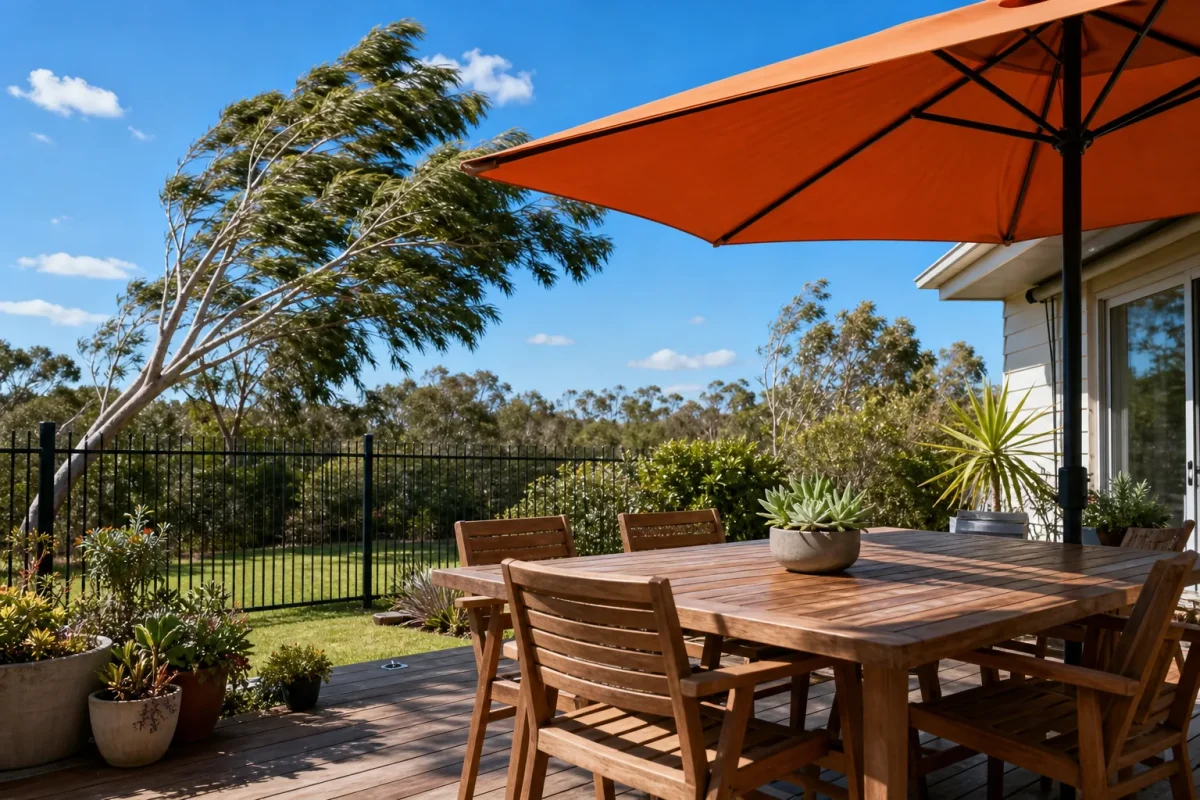
First, map out where you plan to put the shade. Is it on a beachfront patio, a backyard near a hill, or a sheltered courtyard? The local wind profile changes a lot between those spots. In Adelaide, afternoon sea breezes can push past 50 km/h in summer, while inland suburbs often stay under 30 km/h.
Next, think about how often the umbrella will be used. A weekly‑only garden umbrella can get by with a lighter base, but a commercial café that serves lunch outdoors every day needs a sturdier solution. The more you rely on the umbrella, the higher the wind load you must design for.
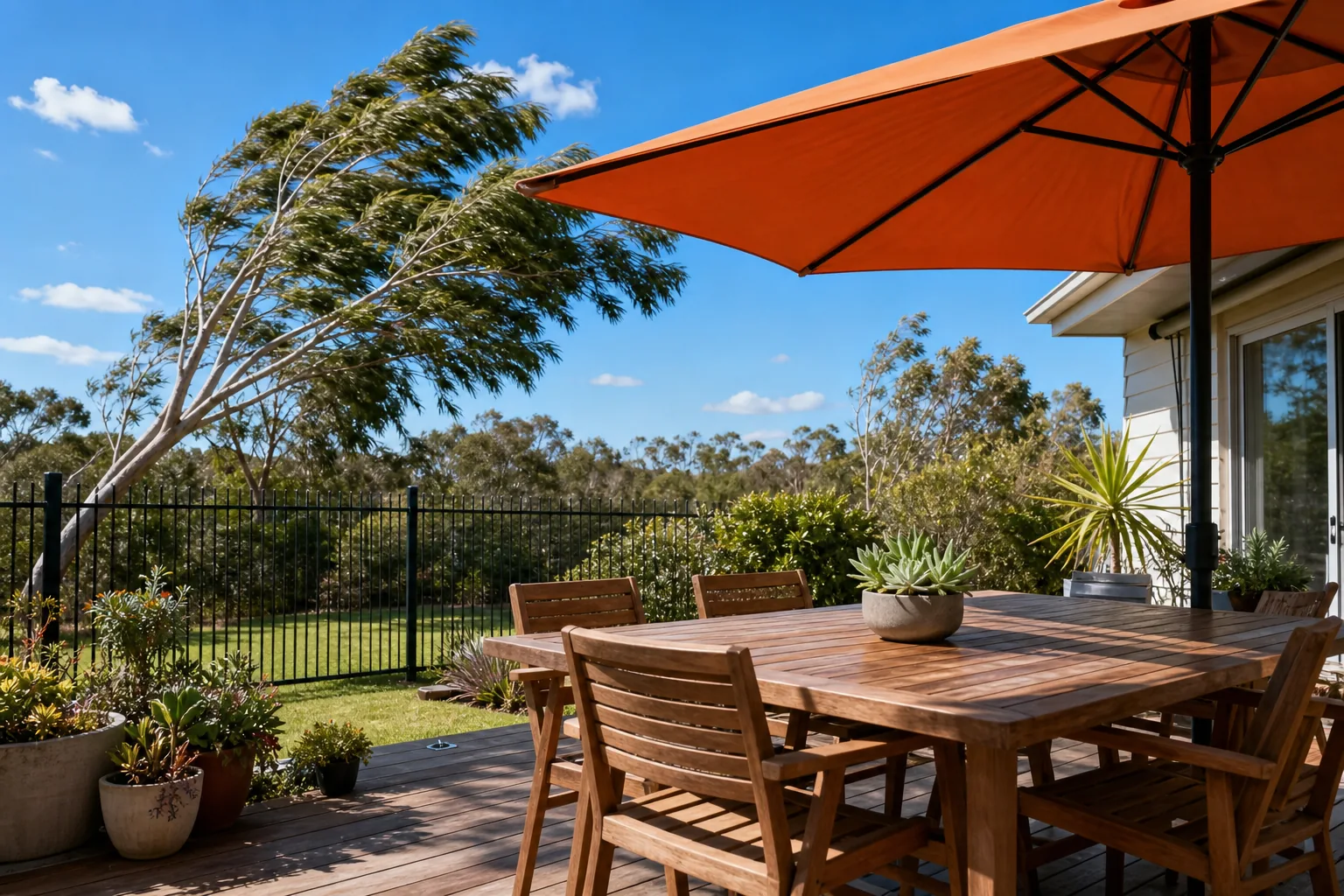
Finally, note any nearby structures that could create turbulence, walls, fences, or even a tall tree. Those can funnel wind and increase pressure on the canopy. A quick site walk‑around with a handheld anemometer (or a simple weather app) will give you a ball‑park wind speed reading.
Umbrello’s premium cantilever umbrellas are engineered for the kind of wind you’ll find on Australian coasts. Their frames use powder‑coated aluminium and reinforced ribs that resist flexing under load.
For a deeper look at how wind forces translate into real‑world loads, consult a qualified outdoor-shade professional.
Step 2: Check the Umbrella’s Tested Wind Rating and Engineering
Manufacturers usually publish a wind‑rating based on the Beaufort scale. In Australia, a rating of 6 (≈39 km/h) is common for residential models, while commercial‑grade umbrellas often reach 8 (≈62 km/h). Look for a rating that exceeds the highest gust you expect at your site.
Beyond the rating, examine the engineering details. A double‑top canopy lets wind pass through, lowering lift. Fibreglass ribs keep the frame light yet stiff. Stainless‑steel hardware resists corrosion, especially near the sea.
Umbrello’s cantilever line uses a vented canopy and a reinforced aluminium arm that has been wind‑tested up to 70 km/h. That gives a comfortable safety margin for most Australian climates.
Here’s a quick comparison of what to look for:
| Feature | What to Check | Why It Matters |
|---|---|---|
| Wind rating | Beaufort level or km/h | Ensures the umbrella won’t flip in expected gusts |
| Canopy design | Vented or double‑top | Reduces uplift pressure |
| Rib material | Fibreglass, steel or aluminium | Higher stiffness means less deformation |
| Hardware | Stainless‑steel vs. plated steel | Corrosion resistance extends life |
Step 3: Choose the Right Umbrella Design and Materials
Design matters for both aesthetics and performance. Centre‑pole umbrellas put the mast under the canopy, which is fine for a small patio but blocks the centre of the shade. Cantilever umbrellas keep the pole off the floor, giving you a clear, unobstructed area, perfect for tables or lounge chairs.
Material choice is next. Sunbrella and solution‑dyed acrylic fabrics both offer UV‑stable, fade‑resistant colour. Sunbrella is a bit heavier but tends to hold colour longer under intense sun.
Umbrello’s commercial range pairs a Sunbrella fabric with a powder‑coated aluminium frame. The result is a shade that stays bright for years and can handle salty sea air without rust.
When you pick a design, think about how you’ll use the space. If you need the umbrella to rotate with the sun, look for a model with a smooth swivel mechanism. If you want a permanent look, a fixed‑arm cantilever works best.
Step 4: Match the Base, Fixings and Installation to the Wind Load
Base weight is the biggest factor that keeps a cantilever umbrella from turning into a missile. A 4‑metre cantilever umbrella typically needs 200‑300 kg of base weight in moderate wind. For higher wind zones, you may need 350 kg or more.
There are three main options: sand‑filled bases, water‑filled bases, and ground‑anchored concrete footings. Sand and water are easy to move, but they can shift over time. Concrete footings are permanent and give the highest stability, especially for commercial projects.
Umbrello recommends pairing its heavy‑duty cantilever umbrellas with a concrete base that meets the load calculations from the wind rating. The guide Best Base for Cantilever Umbrella: The 2026 Guide to Stability and Style walks you through the sizing formula.
Fixings must be stainless‑steel and include lock‑nuts that prevent loosening from vibration. Use a torque wrench to tighten bolts to the manufacturer’s spec, usually around 30 Nm for aluminium arms.
Installation should be done when the wind is calm, and the base should be level. A simple spirit level on the base plate ensures the umbrella stays upright and distributes load evenly.
Step 5: Allow for UV, Salt Air, Maintenance and Safe Operation
UV rays can break down fabric fibres over time. Look for a UV‑stabilised coating that guarantees colour retention for at least five years. Sunbrella’s 400 UV‑hour rating is a good benchmark.
Near the coast, salt spray accelerates corrosion. Choose stainless‑steel hardware with a marine‑grade rating (AISI‑316) and aluminium frames that have a powder‑coat finish.
Regular maintenance extends life. Wipe the canopy with a soft cloth and mild soap every few weeks. Inspect ribs and joints for cracks after any storm. Replace any worn hardware promptly, a loose bolt is the first sign of a future failure.
When the wind picks up, close the umbrella before the gust reaches its rated speed. Most commercial models have a quick‑release latch that makes this easy.
FAQ
What wind speed should my umbrella be rated for?
Choose a rating that exceeds the highest gust you expect at your location, typically 5 to 10 km/h above the local peak. For coastal areas, aim for at least 60 km/h.
Can I use a residential umbrella for a small café?
It’s possible, but commercial‑grade umbrellas offer stronger frames, better hardware and higher wind ratings, which reduce liability and downtime.
How often should I clean the canopy?
Clean the fabric with a mild soap and water solution every 4 to 6 weeks, or more often if you notice salt deposits after a storm.
Do I need a professional to install a cantilever umbrella?
Professional installation is recommended for cantilever models because the base and arm must be anchored precisely to handle wind loads safely.
Is a water‑filled base as stable as a concrete one?
A water‑filled base works well for light‑wind zones, but in higher wind areas a concrete footing provides the most reliable stability.
Conclusion
Start with Umbrello’s premium cantilever umbrellas, they combine strong engineering with UV‑ready fabric. Then follow the five steps above to match the design, rating, base and maintenance plan to your local wind conditions. Ready to pick a shade solution? Visit Umbrello’s catalogue and request a free engineering consult.
